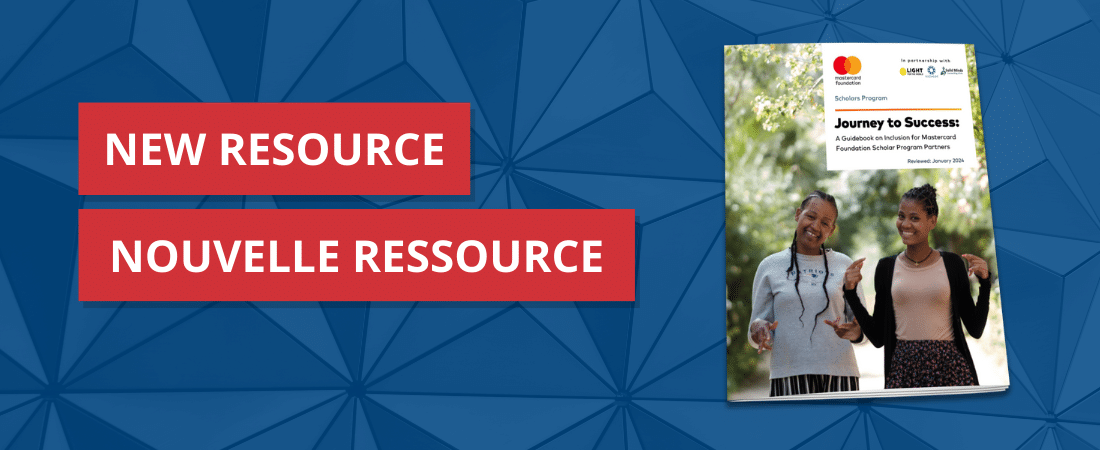
New Guidebook to Support Youth Inclusion in Higher Education
WUSC, in partnership with the Mastercard Foundation, Light for the World, and Solid Minds, has released a guidebook to support universities in understanding an intersectional approach to equity and inclusion, especially for youth with disabilities, refugees, and displaced persons. The guidebook, entitled Journey to Success: A Guidebook on Inclusion for Mastercard Foundation Scholars Program Partners,…
| News, Resources | DREEM, Durable Solutions for Refugees, Education, Report
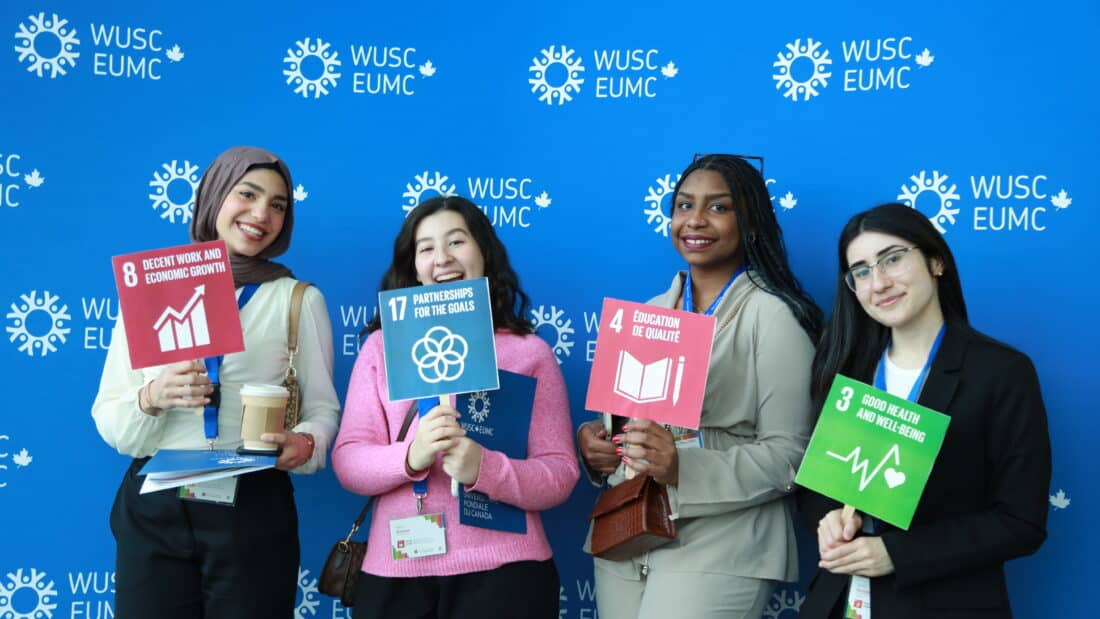
2024 International Forum: Key Insights on Approaching the Second Half of the SDGs
Author Aly Muhammad Sayani This year, what’s at stake? WUSC’s 13th Annual International Forum had at its centre the theme “Doing Different Things, and Doing Things Differently”. The axis of this theme lies at a point of reflection, as the halfway point to the 2030 UN Sustainable Development Goals (SDGs) has been passed. While there…
| Events, News | Canada, Durable Solutions for Refugees, Economic Opportunities, Education, Empowerment, International Forum
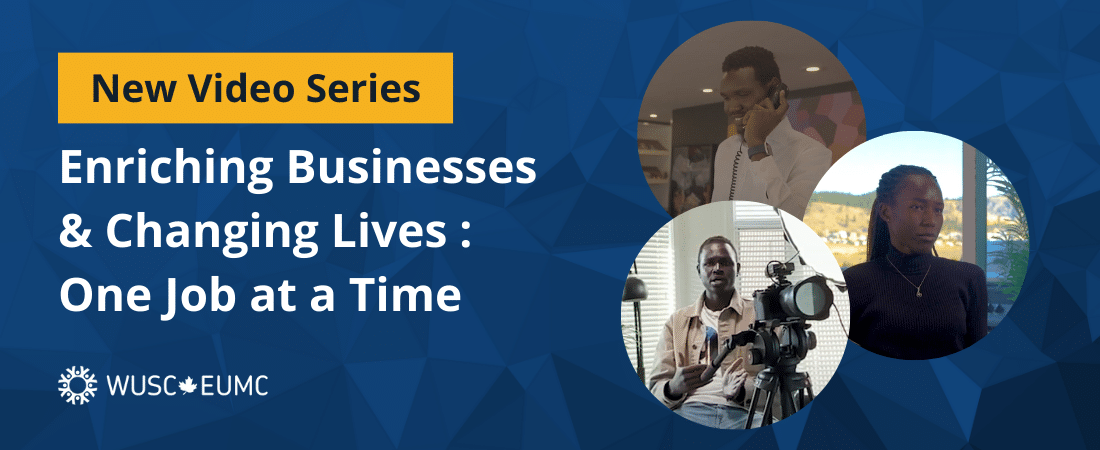
“Enabling refugee youth to immigrate and fill vacancies in Canada is heartwarming and good for business” [say employer champions]
With protracted conflict and record-high numbers of refugees around the globe, the imperative for durable solutions for refugees resonates now more than ever. In countries of asylum, many refugees have the personal ambition, skills, and capacity to work, but are often prevented from accessing legal employment opportunities. Meanwhile, with acute and persistent labour shortages impacting…
| News, Resources | Canada, Durable Solutions for Refugees, HIRES
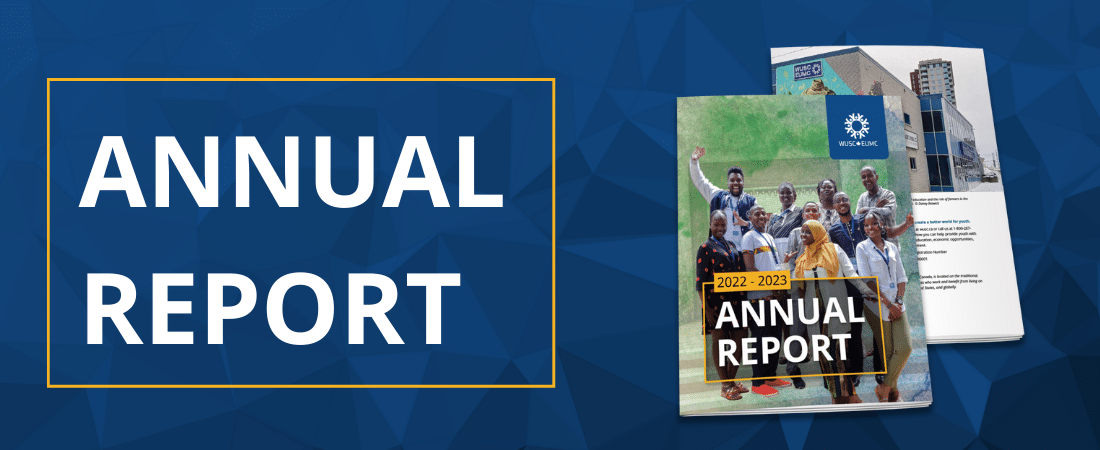
Programming transformations for greater impact on the lives of young people
The majority of young people live in regions that are disproportionately affected by challenges stemming from conflict, displacement, climate change, and rising inflation. The rapidly evolving nature of these global challenges remind us of the constant need for adaptation to ensure our work continues to meet the greatest needs of young people around the world.…
| News, Resources | Annual Report, Canada, Durable Solutions for Refugees, Economic Opportunities, Education, Empowerment
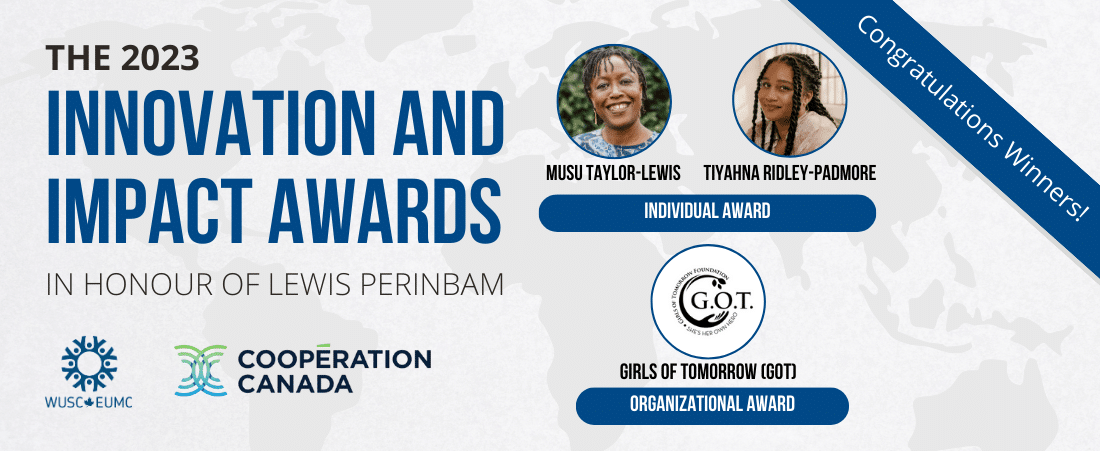
Congratulations, Musu Taylor Lewis & Tiyahna Ridley-Padmore, the joint 2023 Winners of the Lewis Perinbam Award
WUSC, in collaboration with Cooperation Canada and the trustees of the Lewis Perinbam Award, is pleased to announce the 2023 recipients of the Innovation and Impact Awards in Honour of Lewis Perinbam. The award was presented during a virtual ceremony held on February 7, 2024, in the presence of 108 attendees, including Anita Vandenbeld, the…
| News, Press Releases | Canada, Lewis Perinbam Award
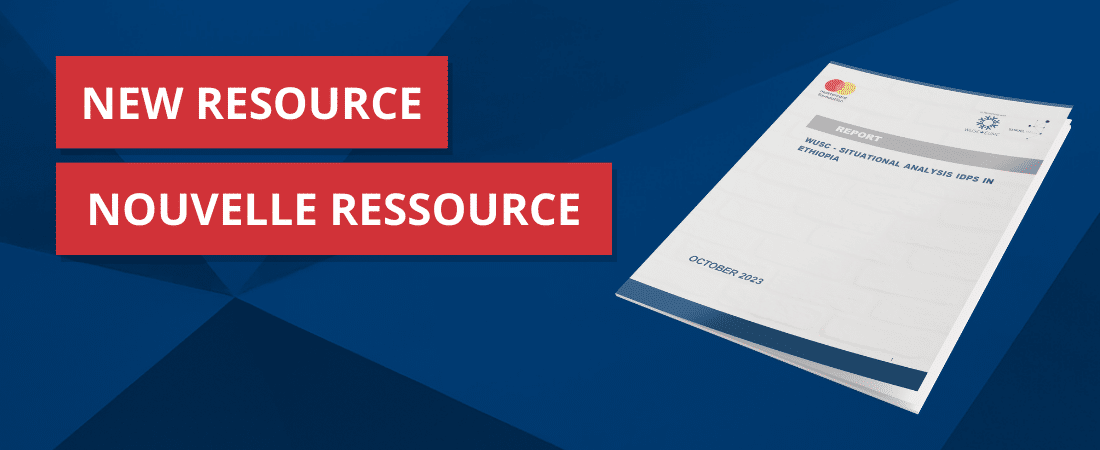
Situational Analysis of Access to Secondary Education and Economic Activities of Internally Displaced People (IDP) in Ethiopia
WUSC, in partnership with the Mastercard Foundation, shared a situational analysis on Internally Displaced Persons (IDP) in Ethiopia and their access to secondary education and economic opportunities. The analysis, authored by a team of researchers at Samuel Hall, contributes to the objectives of the DREEM Project, a partnership between WUSC and the Mastercard Foundation that…
| News, Resources | Economic Opportunities, Education
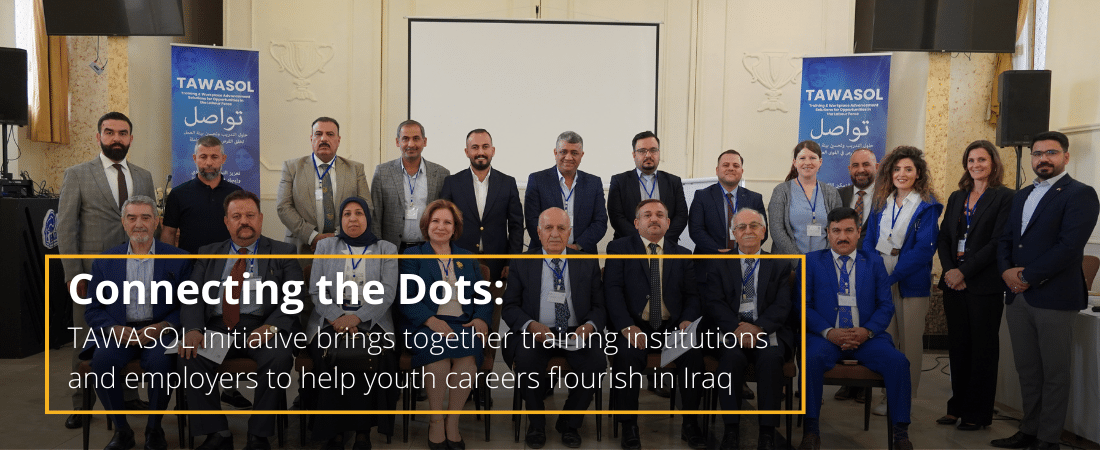
Connecting the Dots: TAWASOL Initiative Brings Together Training Institutions and Employers to Help Youth Careers Flourish in Iraq
Nestled within the neighbourhoods of Kirkuk is a cozy kitchen where a mother and daughter stand side by side. The scent of baking pastries and cakes fills the air as they work on fulfilling the next order from a family down the street. Four years ago, they had the idea to turn their shared love…
| News | Economic Opportunities, Iraq, TAWASOL
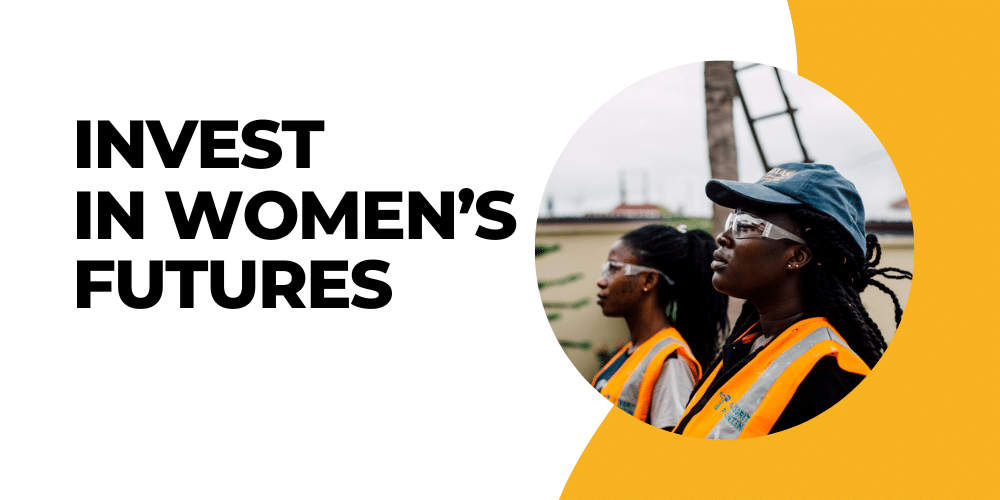
Deconstructing Stereotypes for a Future of Possibilities
WUSC is supporting women in Ghana to claim their place in professions they want to join, even though the road to get there isn’t easy. How do we do that? By deconstructing stereotypes and changing attitudes about “women’s work,” increasing training and apprenticeship programs, and engaging workplaces and industries to provide equal opportunities for women.…
| News | Economic Opportunities, Ghana
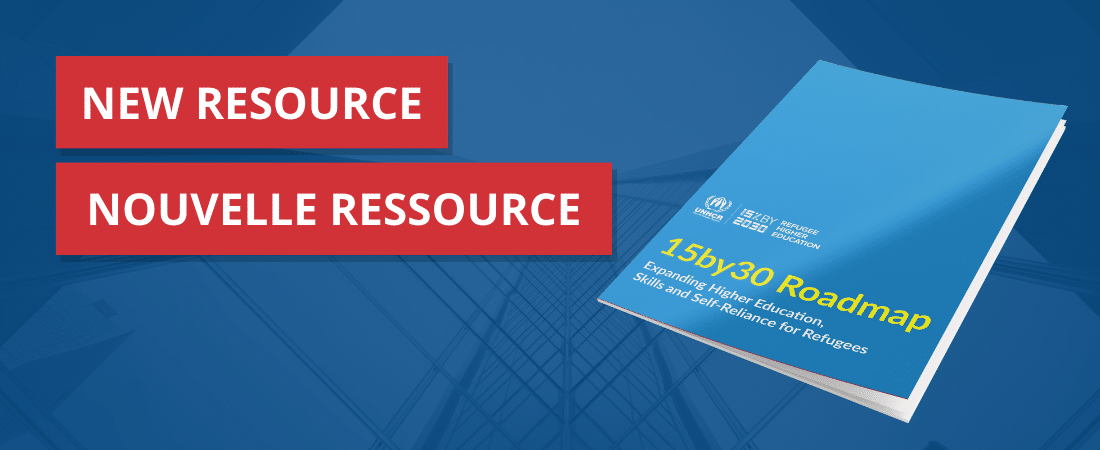
The Roadmap to Self-reliance – Expanding Higher Education for Refugees
In 2019 , UNHCR and partners set a goal to reach 15% enrollment of refugees in higher education by 2030. This report lays out the specific actions stakeholders can take to support efforts to achieve and exceed the 15by30 target, across five distinct higher education pathways, which are national enrollment, higher education scholarships, connected higher…
| News, Resources | Durable Solutions for Refugees, Education, Student Refugee Program
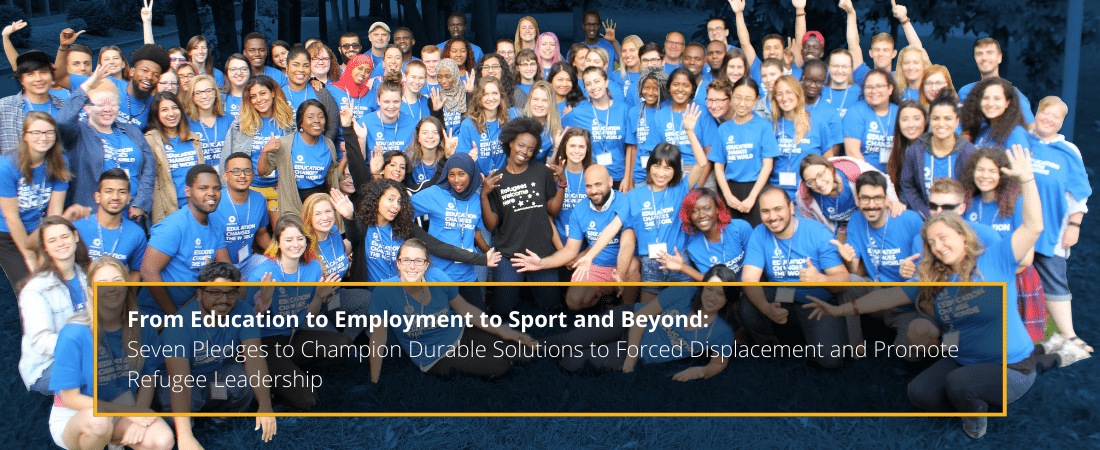
From Education to Employment to Sport and Beyond: Seven Pledges to Expand Complementary Pathways, Champion Durable Solutions to Forced Displacement and Promote Refugee-led Solutions
Fuelled by new and protracted crises, forced displacement continues to be a challenge and requires urgent and collective action. At the Global Refugee Forum, the world will unite to tackle challenges facing refugees and host communities. The Global Refugee Forum is the world’s largest gathering on refugees and will provide an opportunity to build on…
| News | Durable Solutions for Refugees, Economic Opportunities, Education, Student Refugee Program