Centering Lived Experience: Refugee Voices at the Heart of Third-Country Solutions
Resettlement and complementary pathways are critical tools to offer durable solutions to refugees. These pathways offer people affected by displacement safety, opportunity, and a new home—contributing to a more comprehensive and sustainable refugee response.
The Consultations on Resettlement and Complementary Pathways (CRCP) are an annual multilateral event designed to bring together UNHCR, UN Member States, the private sector, academia, NGOs, and refugees to discuss and address issues related to resettlement and other third-country solutions for people affected by displacement. It provides a space to share lessons learned and innovative approaches, and aims to create collaborative solutions for refugee resettlement and complementary pathways.
Created in 2020, the Refugee Advisory Group was developed to promote a platform for refugee leaders and refugee-led organizations to be more engaged with the Consultations on Resettlement and Complementary Pathways and its objectives. It is focused on increasing the participation of people with lived experience of forced displacement in decision-making processes.
Meet some of the members.
Hasan Almatroud
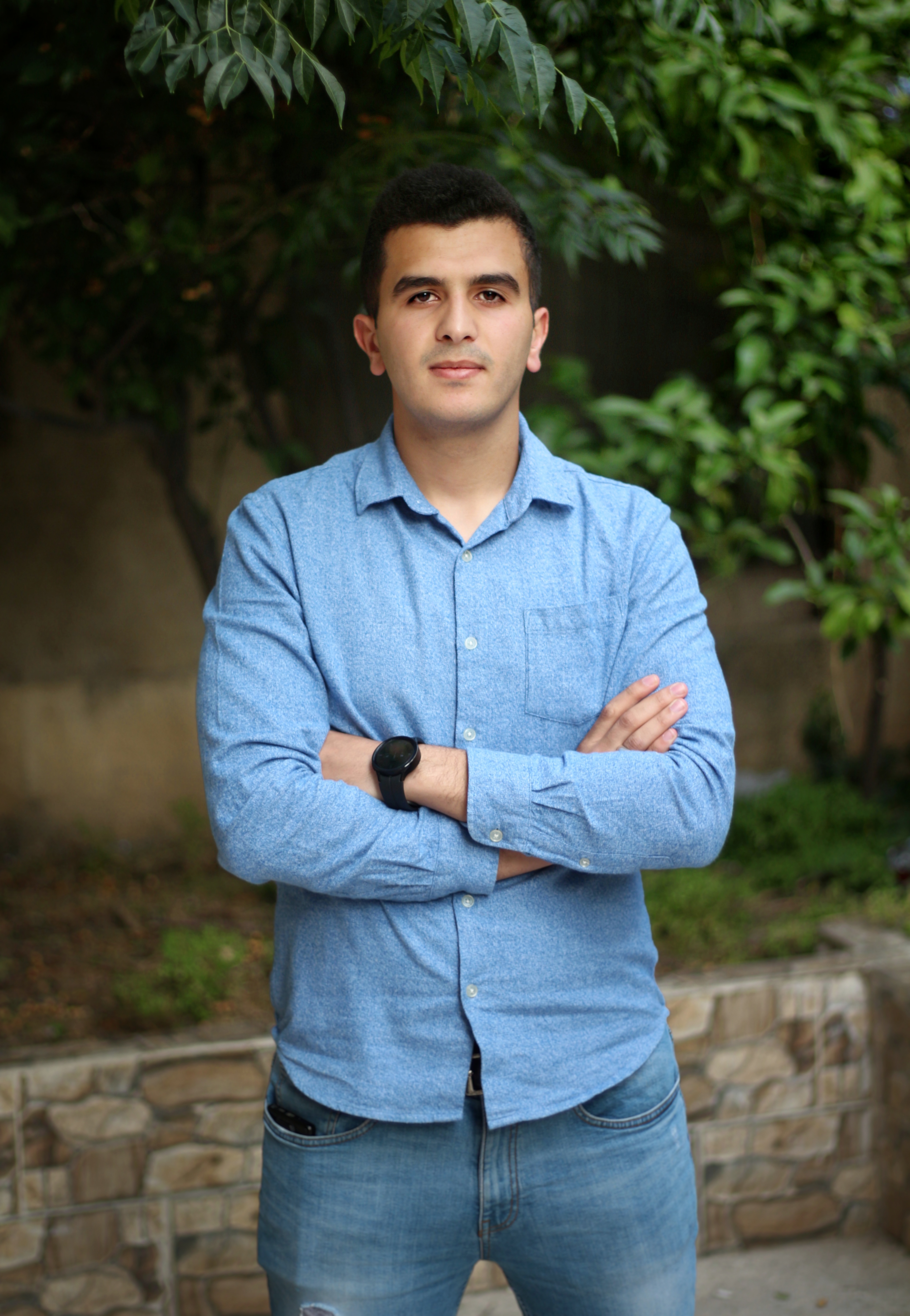
Hasan Almatroud is a Syrian refugee living in Amman, Jordan, since 2013. With seven years of experience in social and community work, Hasan is currently a program coordinator and educator at Amala Education. He helps facilitate the first internationally accredited secondary diploma program specifically designed for refugees—the same program he graduated from three years ago. Alongside this role, he works as a guidance counsellor on complementary pathways with WUSC. Hasan is also the founder of the New Horizons program, which focuses on equipping refugees with essential skills and knowledge to empower them as changemakers within their communities. Hasan is currently pursuing a degree in Business Administration at the University of London, Royal Holloway. Hasan strongly believes in advocacy and education as a means to create a better world.
“Complementary pathways are the essential bridge, connecting their invaluable talents and bright minds to the economies and societies of nations wise enough to embrace them.”
Sara Kuwatly
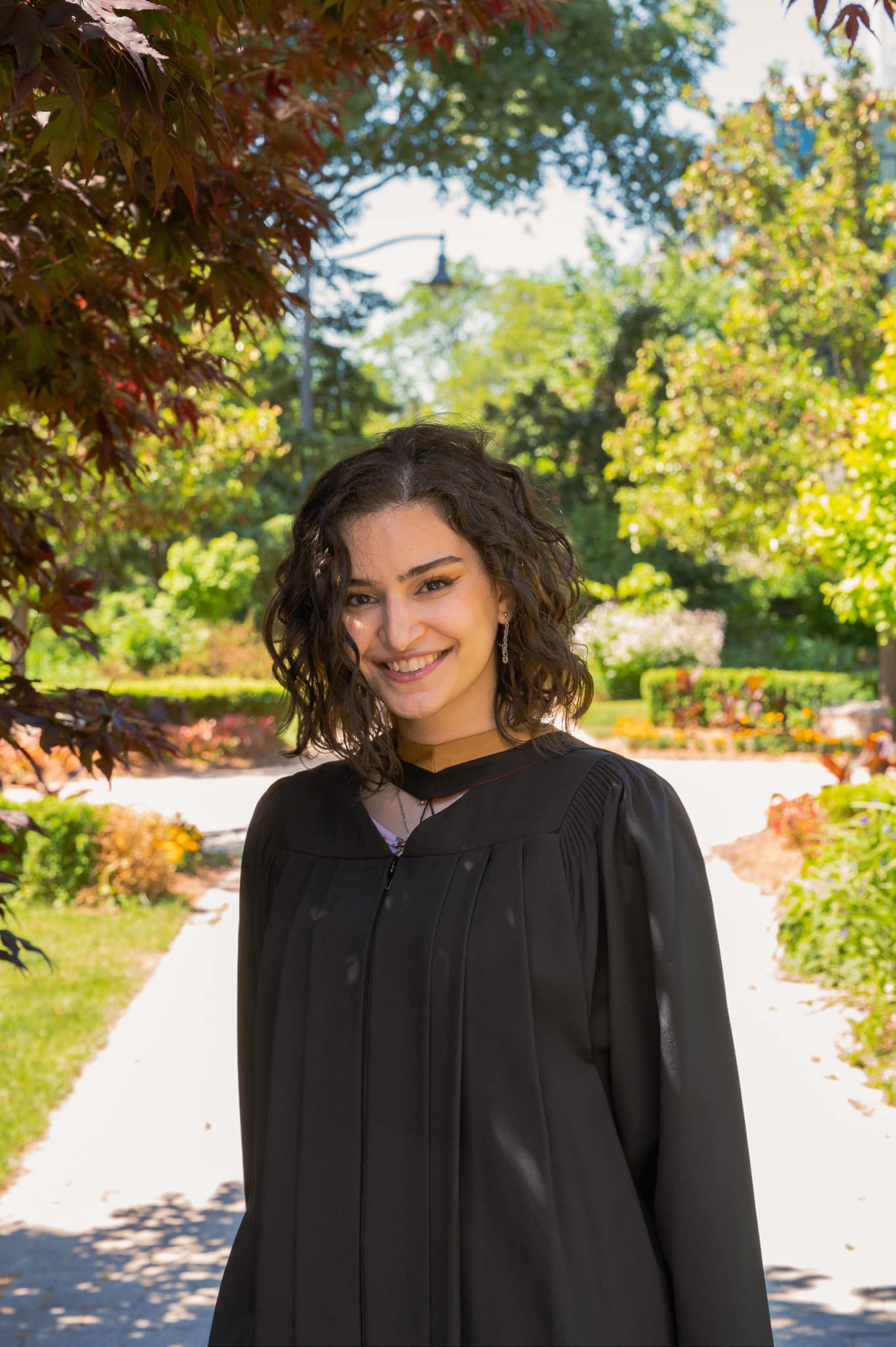
Sara Kuwatly, a former refugee from Syria, was resettled in Canada in 2016 through the Student Refugee Program facilitated by WUSC. Sara fled to Lebanon in 2013 where she lived for three years before starting a new chapter in Canada. Sara earned her Bachelor’s degree in Molecular Biology and Genetics from the University of Guelph, where she played a vital role in refugee support. She served as the chair of the WUSC Local Committee and later as the Student Refugee Program coordinator. Currently, Sara works as a program officer with the Student Refugee Program student selection and support team at WUSC and volunteers as an Arabic–English translator for LGBTQ+ refugees. She is also pursuing a Graduate Diploma in Migration and Diaspora Studies at Carleton University, furthering her expertise and dedication to refugee issues.
“Complementary pathways allow refugees to rebuild their lives with dignity. These pathways recognize that we are more than our status. We are students, workers, family members, human beings who just need an opportunity. That’s why refugee participation is important at the Consultations on Resettlement and Complementary Pathways. We know the systemic barriers and we understand why it’s critical to expand these solutions. Refugee voices bring reality to policy.”
Stellah Nikuze
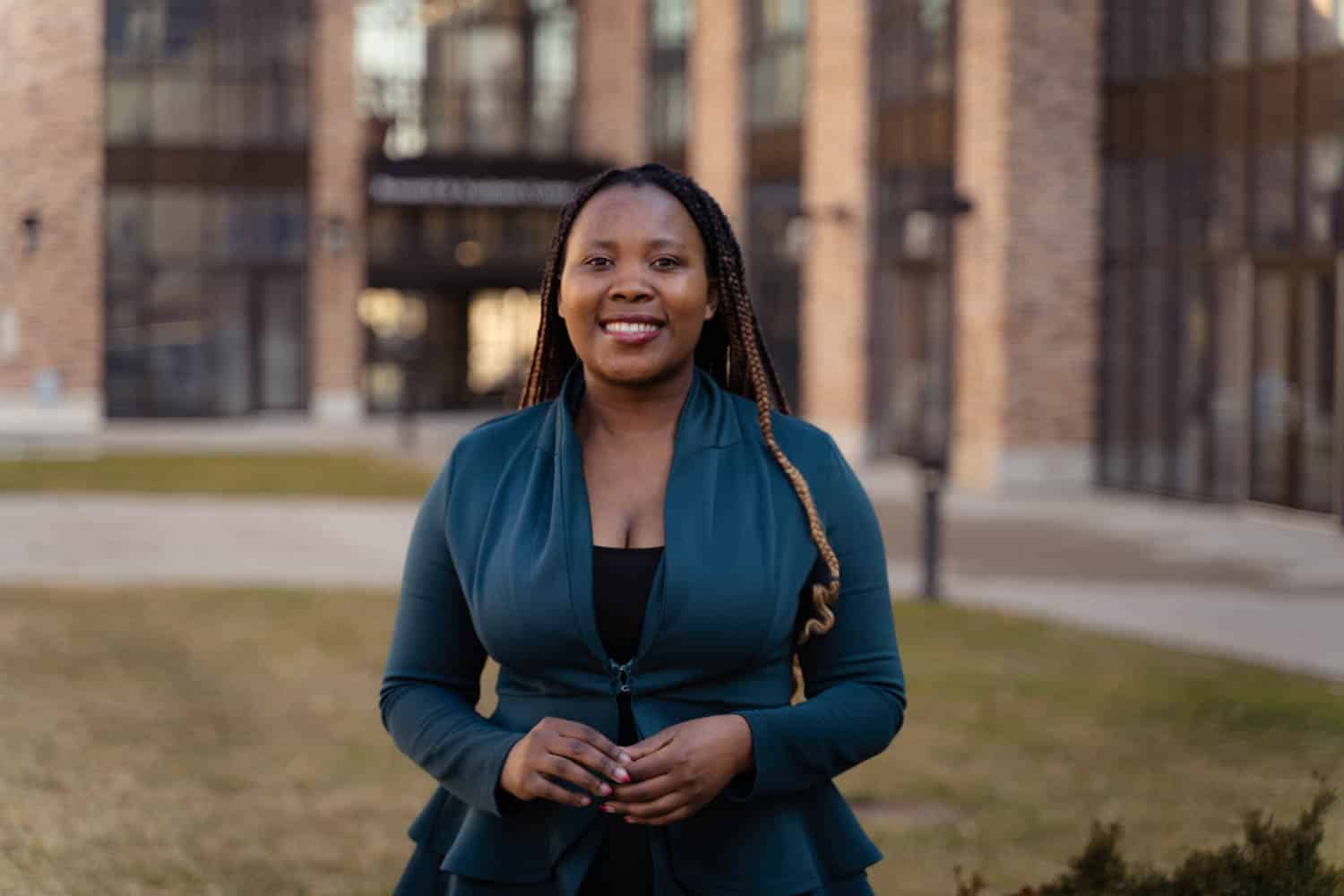
Stellah Nikuze is a 24-year-old refugee from Uganda. In the mid-1990’s, Stellah’s parents fled Rwanda during the genocide, and she was born in the refugee settlement—the only home she knew. Growing up in the refugee camp, she witnessed first-hand the challenges refugees face including lack of access to education, healthcare, poverty, unemployment, and restrictions in movement. Stellah is committed to addressing these issues affecting mostly girls and women in her community. She is now a student at Wilfrid Laurier University in Canada pursuing a Bachelor’s degree in Social Work. In addition, she is the president of the WUSC Local Committee at her University, a student club that advocates for rights, supporting policies, and laws, and better support for those pursuing their studies in Canada. Stellah is also the co-founder of the Hodari Foundation, a refugee-led organization in Uganda based on Kyaka II refugee resettlement. Hodari Foundation supports refugee families with livelihoods, helps provide access to education to refugee children, most of whom are girls and youth, and supports people with disabilities in the refugee settlement and host community.
“My story is one of many that demonstrates how refugee-led and community-rooted solutions can foster independence, dignity, and leadership, long before resettlement becomes a reality.”
Learn more about the other members of the Refugee Advisory Group and their work.