Our work
What we do
We catalyze positive education and economic outcomes so that all young people—especially women and displaced youth—can thrive and belong.

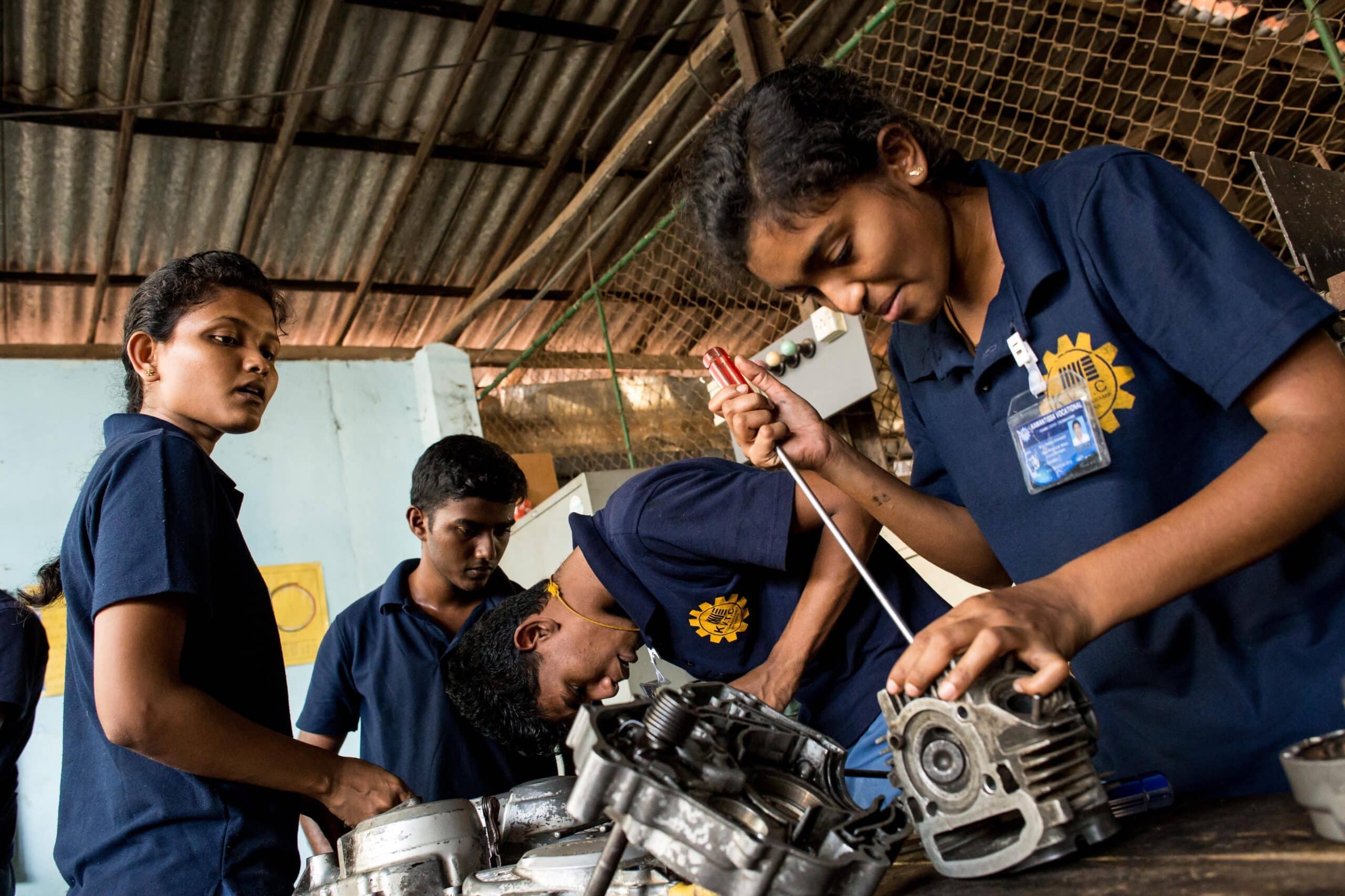
Tackling three key challenges impacting youth
Limited opportunities to develop knowledge and skills
Around the world, too many children and youth are not in school or training. Among those who make it into the classroom, many are still not learning what they need to succeed.
Barriers to entering the workforce
Young people, especially young women, face barriers to accessing employment and self-employment, and many experience pressure to conform to social norms that may keep them out of work.
Rebuilding lives after displacement
Being forced from your home is a complex challenge that affects every part of a young person’s life, including their ability to continue their education and gain employment.
Why focus on youth?
We believe young people can change the world with their energy, ideas, and optimism. Giving youth more and better opportunities to create their own futures is the best way to create a better world for us all.
250M
children and youth aged 3 to 17 are out of school globally
~ 1 in 4
young people aged 15 to 24 are not in any form of employment, education or training
2M +
children were born into refugee status over the past five years
The path to a brighter future
Right now, young people are growing up in a world full of change and interconnected challenges. For youth to succeed in the face of growing complexity, fundamental shifts to the systems that create or limit their opportunities are needed.

Education
An education is one of the most powerful resources a young person can have. It’s a resource that can never be taken away. In conflict-affected contexts, education can also offer life-saving protection and foster greater self-reliance. Our education programming focuses on support to learners, support to teachers, support to families to keep their children in school, and engaging communities to challenge social norms that prevent youth from realizing their full potential.

Economic opportunities
Dignified employment and entrepreneurship opportunities can break the cycle of poverty. Fair and fulfilling work can generate the resources young people need to improve their quality of life and achieve their greatest aspirations. Our economic opportunities programming focuses on support to young workers, support to the training centres and businesses who enrol and hire them, and engaging communities to challenge social norms that prevent youth from realizing their full potential.

Global forced displacement
Escalating conflicts across the globe continue to drive unprecedented levels of forced displacement, affecting 117 million displaced persons worldwide. As these crises become increasingly protracted, nearly 70% of refugees find themselves caught in long-term displacement with fewer durable solutions available to them. In response, WUSC collaborates with a diverse network of partners to foster the inclusion and self-reliance of displaced youth, while actively expanding their access to lasting solutions.
A focus on women and refugees
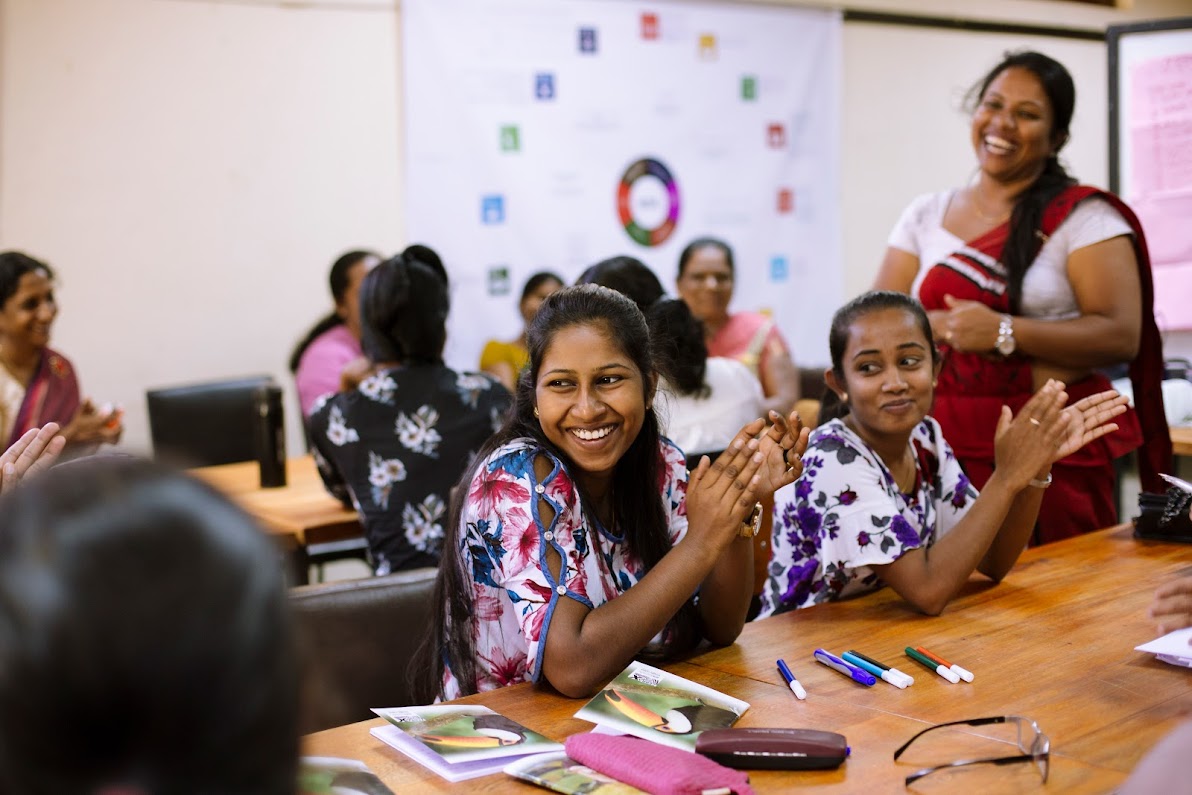
Young women
Young women confront persistent gender stereotypes, an unfair share of family obligations, discriminatory laws and practices, pervasive gender-based violence, and inequitable access to resources and opportunities. We invest significant resources to address the barriers that young women face, recognizing the role of advancing gender equality in creating a more inclusive, equitable, and sustainable world.
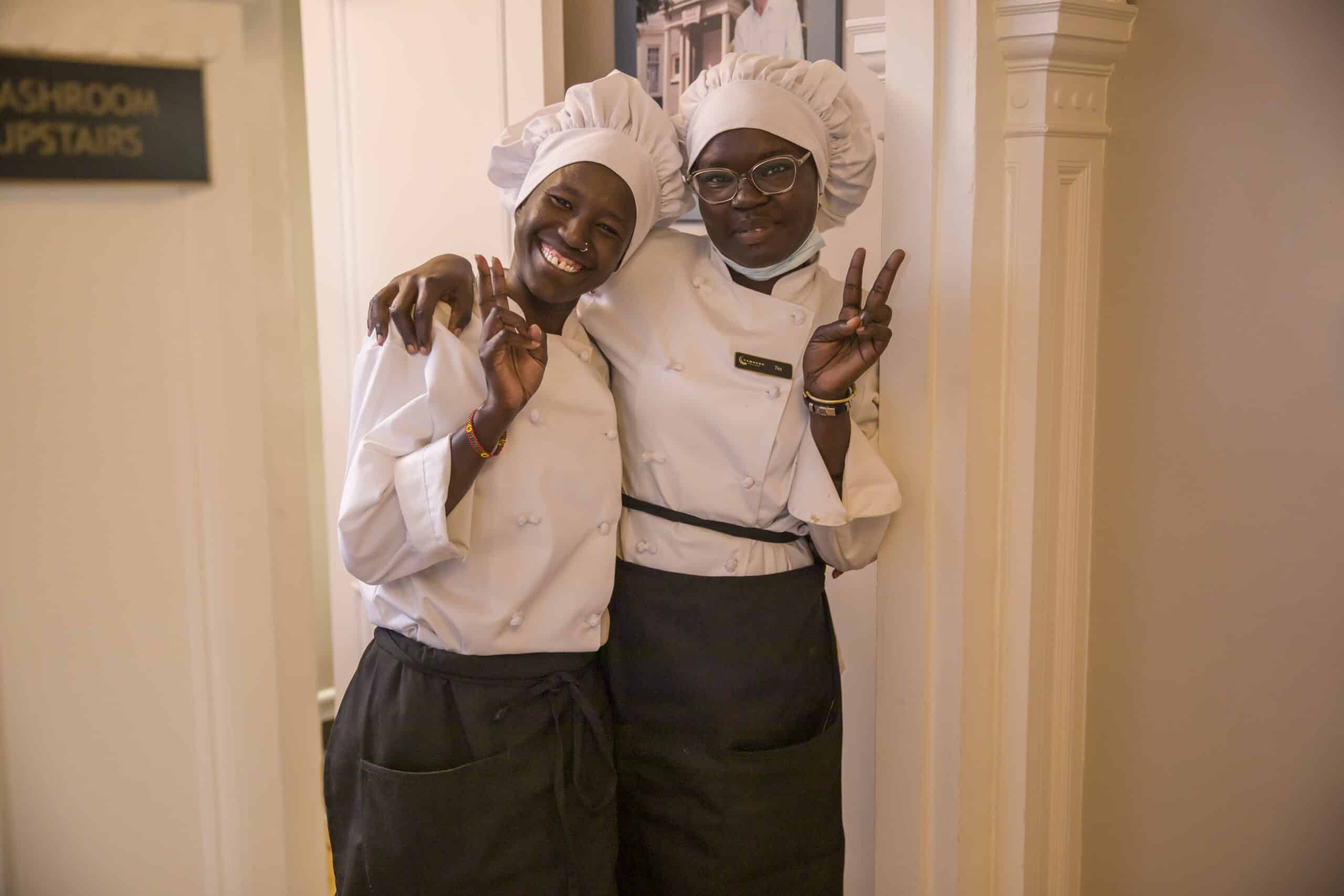
Young refugees
An estimated 40% of the world’s 31.6 million refugees are under the age of 18. Refugee youth are an important demographic who will one day play key roles in the rebuilding of more peaceful and prosperous countries. We invest in education and economic opportunities as pathways to improve the availability and quality of durable solutions for young refugees.
The cascading impact of our work
WUSC and our partners drive transformative change that creates opportunities for youth to make their own impact.

Changing systems for the better
We focus on systems change that challenges the status quo and improves the opportunities available to young people.
Supporting brighter futures
We help meet the greatest needs of youth at a critical moment in their lives, putting them on a path to build their own futures.
Transforming communities around the world
Improved agency over their own lives gives youth the power to have a greater impact in their communities and countries for generations to come.
WUSC 2030: Our Strategy for Impact
For over 100 years, WUSC has worked alongside young people to expand access to education and opportunity.
WUSC 2030 builds on this legacy to drive deeper, systemic change—strengthening the education and economic systems that shape young people’s futures, especially for women, refugees, and displaced youth.
It’s about shifting from opportunity alone to lasting transformation—so every young person can learn, earn, and thrive.
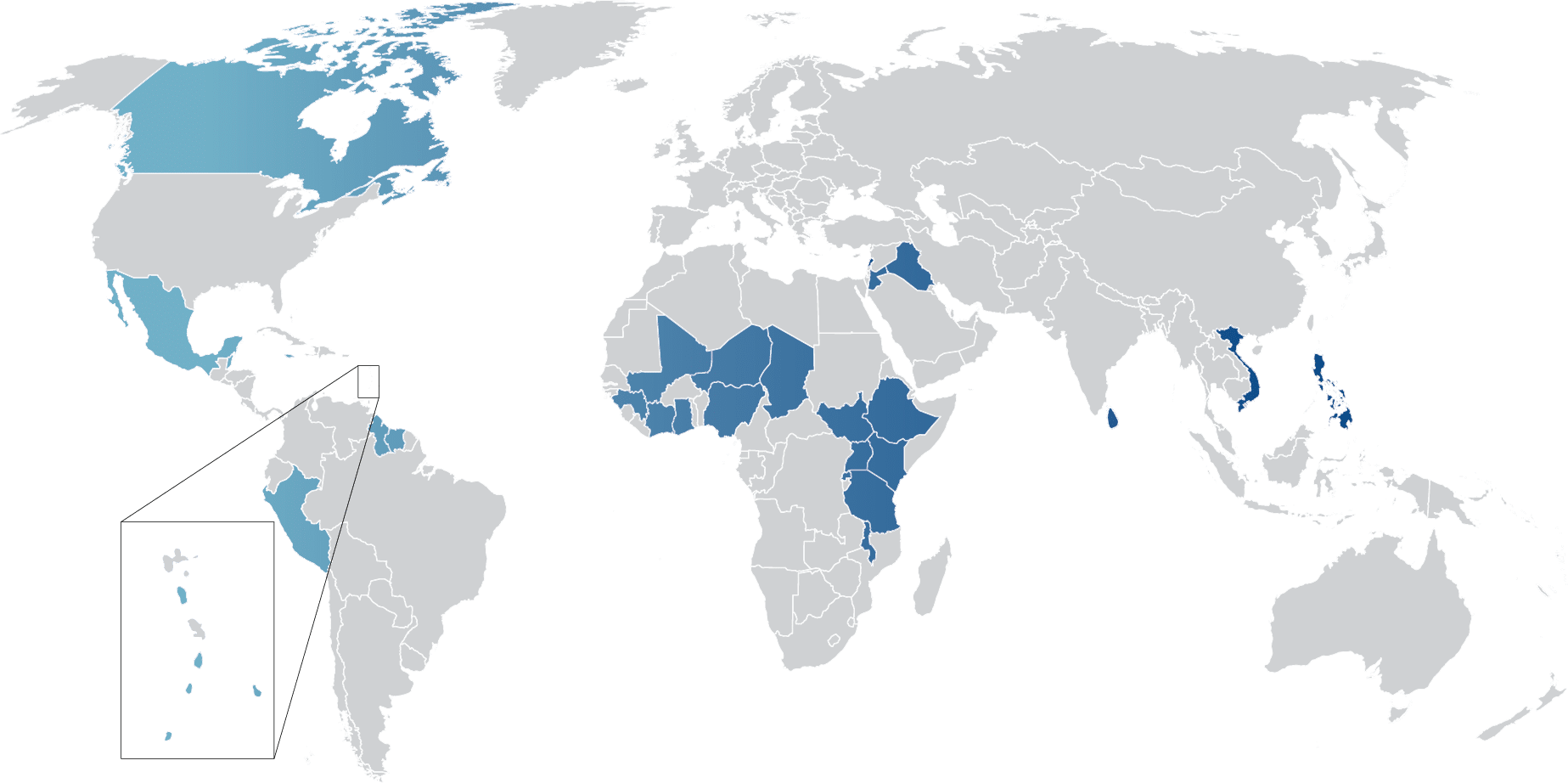
Where we work
WUSC and its partners operate in 31 countries across Africa, Asia, the Caribbean, and the Middle East. These include Canada, Barbados, Belize, Côte d’Ivoire, Dominica, Ethiopia, Ghana, Grenada, Grenadines, Guyana, Iraq, Jamaica, Jordan, Kenya, Lebanon, Malawi, Mali, Mexico, Mozambique, Nigeria, Peru, Philippines, Rwanda, Saint Lucia, South Africa, South Sudan, Sri Lanka, Suriname, Tanzania, Uganda and Vietnam.